
Every month, millions of homeowners experience a familiar sense of dread when opening their utility bills. Whether it is a spike in electricity costs during a summer heatwave or a sudden surge in water expenses, these bills often feel like an unavoidable tax on modern comfort. However, the reality is that the average home is riddled with invisible energy drains and structural inefficiencies. Minor gaps in insulation, outdated mechanical components, and unoptimized power systems compound quietly, transferring hundreds of dollars out of your bank account and into the coffers of utility companies every single season.
Fortifying the Envelope: Sealing and Insulation
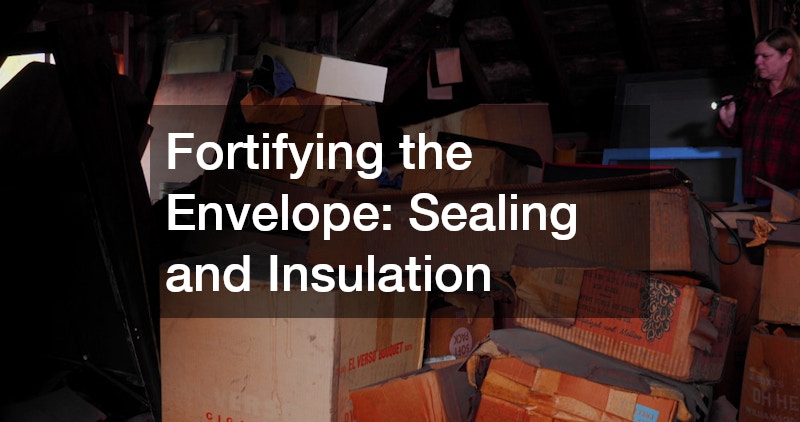
The physical boundary separating your climate-controlled living space from the volatile elements outside is known as the building envelope. When this envelope is compromised by leaks, poor insulation, or structural degradation, your heating and cooling systems must work twice as hard to maintain a stable interior temperature. This continuous overworking of mechanical equipment drastically shortens its lifespan while driving monthly power bills to unprecedented highs. Addressing the structural weak points of your roof and attic is the fastest way to stabilize your home’s internal climate.
Halting Thermal Exchange in the Attic
The laws of physics dictate that heat naturally moves from warmer spaces to cooler spaces. In the winter, the expensive heat generated by your furnace rises and escapes through an under-insulated attic. In the summer, the blazing sun bakes your roof tiles, sending intense radiant heat downward into your living quarters. To combat this constant thermal exchange, you must focus on the following core areas:
-
Evaluate the R-value of your current insulation to ensure it meets modern regional standards, which typically require a depth of twelve to fifteen inches of fiberglass or cellulose.
-
Seal overlooked air bypasses, such as the gaps around recessed light canisters, dropped soffits, and the perimeter of the attic access hatch.
-
Examine the roof deck from the inside for any signs of daylight or moisture penetration, which indicate a breach in the external barrier.
When minor attic leaks or missing shingles are ignored, moisture slowly destroys insulation, causing it to mat down and lose its thermal resistance. Homeowners facing these issues should consult a trusted roofing company to assess the overall health of the structure before installing new insulation. Catching these vulnerabilities early allows you to perform targeted roof repair work, ensuring that your newly optimized insulation layers remain dry, functional, and efficient for decades to come.
Identifying and Stopping Air Drafts
While the attic is the largest culprit for thermal loss, the ground-level perimeter of your home contains dozens of tiny fractures that collectively act like a wide-open window. Air infiltration forces your HVAC system into a state of perpetual operation. You can reclaim control over your environment by implementing a systematic draft-hunting routine.
-
Conduct a flashlight test at night by having one person shine a bright beam along exterior door frames while another person stands outside to look for escaping light.
-
Check the caulking around the exterior masonry joints where different building materials meet, such as the junction between your siding and foundation.
-
Install heavy-duty foam gaskets behind outlet covers and light switches on exterior-facing walls to stop the hidden drafts flowing through wall cavities.
Optimizing the Water Grid: Upgrades and Maintenance
Water heating represents the second-largest energy expense in the vast majority of modern households, often accounting for nearly eighteen percent of a family’s utility expenditures. Despite this massive financial footprint, the residential water infrastructure is rarely scrutinized until a catastrophic failure occurs. By actively managing how water is heated, distributed, and preserved within your home, you can unlock immediate, compounding savings.
Redefining Water Heating Efficiency
Traditional tank-style water heaters operate on a principle of constant readiness, continuously heating dozens of gallons of water regardless of whether anyone is home to use it. This standby heat loss is a massive source of waste. Adjusting your water heater’s dial from the factory standard down to a safer, more efficient setting lowers standby losses significantly without sacrificing comfort during your morning shower.
For maximum long-term savings, transitioning to a tankless, on-demand heating system eliminates standby waste entirely by heating water instantly through a powerful heat exchanger only when a faucet is opened. Because tankless systems rely on complex gas lines, high-amperage electrical connections, and precise venting configurations, they should always be configured by specialized plumbing companies. These expert teams can calculate your household’s peak gallon-per-minute demand to ensure your new system provides an endless supply of hot water without consuming excess fuel.
Eliminating Silent Water Leaks
A single dripping faucet or a silently running toilet can waste thousands of gallons of water over the course of a single year, quietly inflating your municipal utility statements. Many of these leaks occur completely out of sight, dripping within wall cavities or draining directly into the sewer system. Protecting your home from these hidden financial drains requires a blend of vigilance and professional diagnostics.
-
Monitor your water meter during a two-hour window when no appliances are running; if the dial moves at all, an undetected leak is present somewhere in your system.
-
Replace old, hardened rubber flappers inside toilet tanks every few years, as they lose their seal over time and allow water to constantly hiss into the bowl.
-
Schedule an annual inspection with an experienced plumber to look for pinhole leaks in your main supply lines and to clear out efficiency-killing mineral scales.
Over time, hard water deposits form an insulating layer of crust at the bottom of standard water heaters, forcing the burner to heat the sediment before it can heat the water. Having a professional flush these tanks annually restores optimal heat transfer, directly reducing the energy required to produce hot water.
Shielding the Top: Advanced Roof Protection

A home’s roof bears the brunt of environmental exposure, enduring intense UV radiation, torrential downpours, and freezing winds. If a roof is poorly designed or badly maintained, it acts as a massive thermal sponge, absorbing external heat and transferring it straight into the structure below. True home efficiency requires treating the roof as an active shield rather than a passive cover.
Maximizing Airflow and Reflection
An efficient roof must be capable of shedding heat rather than storing it. When solar radiation strikes dark, traditional shingles, temperatures in the attic space can quickly soar past one hundred and forty degrees. This extreme heat radiates downward, turning your ceiling into a giant radiator that fights your air conditioning system.
-
Incorporate ridge vents and continuous soffit vents to establish a natural convection current that pulls cool air in from the eaves and pushes hot air out through the peak.
-
Utilize radiant barrier foils attached to the underside of the roof rafters to bounce up to ninety-seven percent of radiant solar heat away from your home.
-
Consider upgrading to cool-roof shingle technology, which utilizes specialized granules designed to reflect infrared sunlight away from the building.
Achieving this balance of airflow and reflection requires specialized knowledge of regional climate patterns. Partnering with professional roofers ensures that your ventilation ratios are calculated perfectly, preventing the moisture buildup that ruins structural beams and compromises efficiency. These experts can evaluate your current roof slope and material configuration to implement protection strategies that dramatically reduce your summer cooling loads.
Transitioning to Clean Power: Slashing Grid Reliance
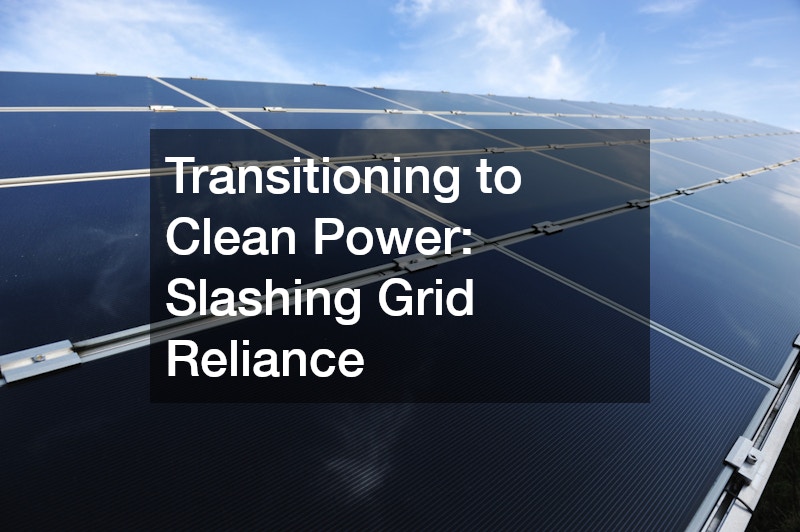
Even the most insulated house still requires power to run appliances, electronics, and climate control systems. As traditional grid electricity costs continue to rise due to infrastructure strain and fluctuating fuel prices, generating your own clean power on-site has transitioned from an experimental luxury into a highly effective financial strategy.
Embracing Independent Generation
Solar technology allows homeowners to transform their roofs from a source of thermal liability into an active revenue-generating asset. By capturing abundant sunlight and converting it directly into usable electricity, you can offset your reliance on the commercial power grid during peak operational hours, which are typically the most expensive times of the day.
-
Assess your property’s solar potential by evaluating shading from nearby trees, the orientation of your roof facets, and the average number of peak sunlight hours your region receives.
-
Familiarize yourself with local net metering policies, which allow you to sell excess electricity generated by your system back to the utility company for credits.
-
Calculate your historical kilowatt-hour usage across the past twelve months to properly size an array that covers your needs without overproducing beyond your grid’s compensation limits.
Navigating the financial incentives, structural engineering requirements, and utility interconnection agreements associated with green energy can be incredibly complex. Working alongside an experienced solar installer simplifies the entire process, ensuring that the mounting brackets, microinverters, and electrical tie-ins are designed to maximize daily output. This systematic approach guarantees that your investment in residential solar will yield steady, predictable savings, effectively neutralizing your exposure to future utility rate hikes.
Modernizing the Infrastructure: Smart Electrical Upgrades
The hidden wiring running behind your walls serves as the central nervous system of your home. In older properties, this electrical infrastructure was never designed to handle the demands of modern high-power appliances, electric vehicle chargers, and renewable energy inputs. Upgrading these systems is crucial for maintaining mechanical efficiency and keeping your utility expenses manageable.
Upgrading Load Management and Panels
An outdated electrical service panel can become a major bottleneck for home efficiency. When circuits operate near their maximum capacity, they generate excess heat, which represents wasted energy that you are actively paying for. Modernizing your electrical panel allows for cleaner power distribution and opens the door to intelligent household management.
-
Integrate smart circuit breakers that monitor electrical consumption in real-time, allowing you to identify exactly which appliances are wasting power while on standby.
-
Isolate heavy-load appliances, such as clothes dryers and central air conditioning units, onto dedicated lines to prevent voltage drops across the rest of your home.
-
Install whole-house surge protection to shield expensive, high-efficiency variable-speed motors inside modern appliances from damaging grid fluctuations.
Executing these infrastructure overhauls requires advanced technical skills and strict adherence to local building codes. Enlisting a licensed electrician ensures that your main service panel is safely upgraded and that all new wiring configurations minimize resistance and heat loss. Once your foundational infrastructure is secure, you can confidently integrate advanced solar panels onto your roof to feed clean, renewable energy directly into an optimized distribution system, maximizing your daily self-consumption rates.
Securing Resilience: Backup Systems and Off-Peak Strategies
As severe weather events become more frequent, grid instability poses a direct threat to both your comfort and your financial predictability. When the main power grid experiences a sudden blackout or brownout, homes without localized backup solutions often suffer from spoiled food, frozen pipes, and sudden spikes in emergency energy pricing once the grid returns online.
Integrating Dependable Standby Power
True efficiency means keeping your home fully operational during emergencies without relying on inefficient, dangerous portable equipment. A permanently integrated backup power system ensures that your home’s critical climate control and preservation systems remain functional during any unexpected utility disruptions.
-
Map out your home’s essential electrical loads, such as the refrigerator, well pump, heating system, and medical equipment, to determine your exact starting and running wattage needs.
-
Select an optimal fuel source for your backup system, with natural gas or liquid propane lines offering a continuous supply that does not require manual refueling during a storm.
-
Ensure the system includes an automatic transfer switch, which instantly senses a loss of utility power and safely disconnects your home from the grid before activating the backup supply.
Attempting to connect a commercial backup power source to your home without professional guidance can result in dangerous electrical backfeeding, which threatens the safety of utility workers and can ruin your home’s internal wiring. Investing in a permanent generator installation provides a seamless, safe transition to localized power whenever the external grid fails. This long-term solution protects your high-efficiency appliances from sudden voltage drops and gives you complete control over your home’s energetic resilience, regardless of external conditions.
Maximizing home efficiency is not a single, isolated project; it is an ongoing process of strategic improvements and mindful maintenance. By fortifying your home’s structural envelope against air leaks, modernizing your water heating systems, optimizing roof ventilation, and embracing renewable energy solutions, you can create a highly resilient property that actively resists high utility costs.